Small-batch, slow-cured.
ES
Elaborado en pequeñas tandas y curado despacio.
Spanish wants a verb. “Small-batch” stops being an adjective and becomes how it was made.
Packaging copy, menus and regulatory paperwork for food and drink makers, rewritten until the label still smells of the kitchen when it lands in Lyon, Osaka or Monterrey. Priced by language pair and word count, from $0.16 a word.
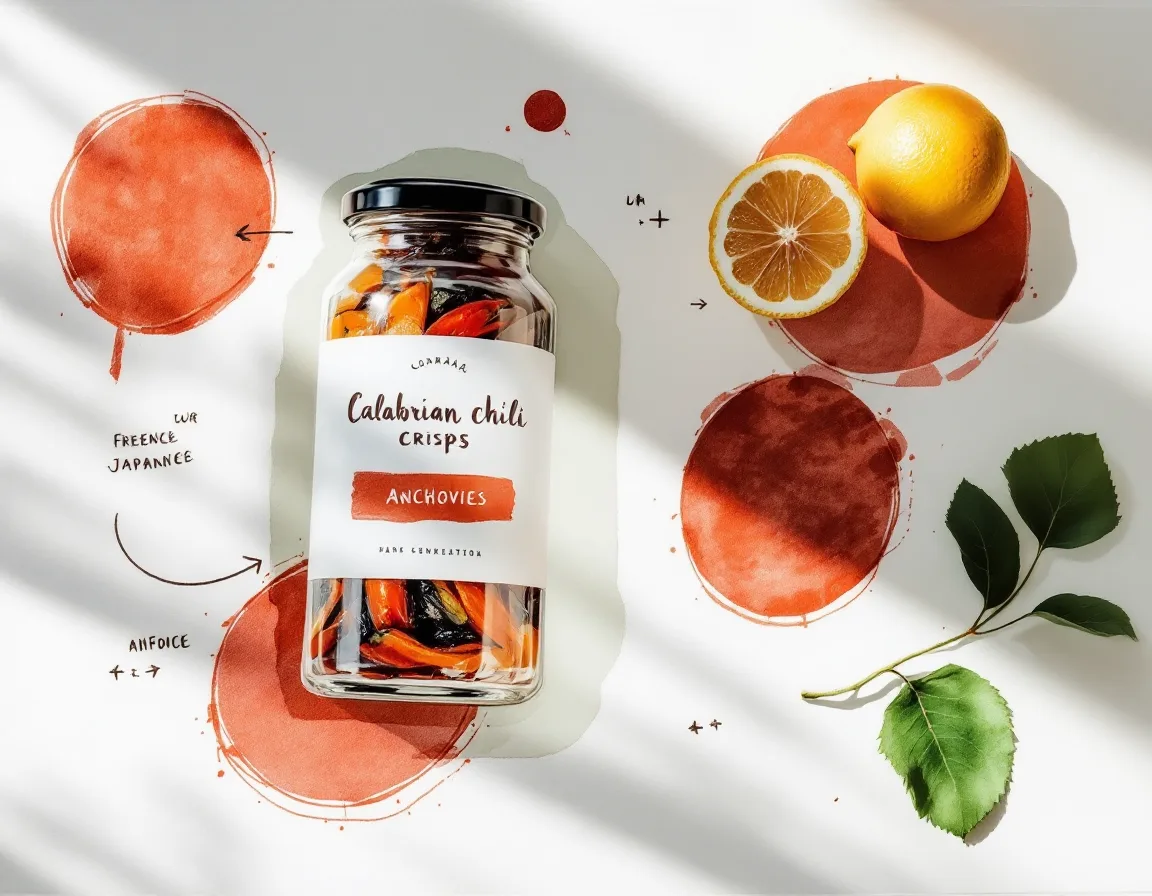
Every label we touch is passed from one table to the next. Nothing moves on until it reads as if it were printed in the market it's headed for.
The full service list →Before one sentence moves, we read your recipe card, artwork and spec sheet, then build a one-page glossary. What does “small-batch” mean on your jar? “Crisp”? “Cured”? Each word gets one decision, written down.
Out: glossary · reply within 1 business dayA translator who cooks and eats in the target language drafts the copy. The line should sound like it was stamped on a tin in Lyon or a crate in Osaka, not like English wearing a costume.
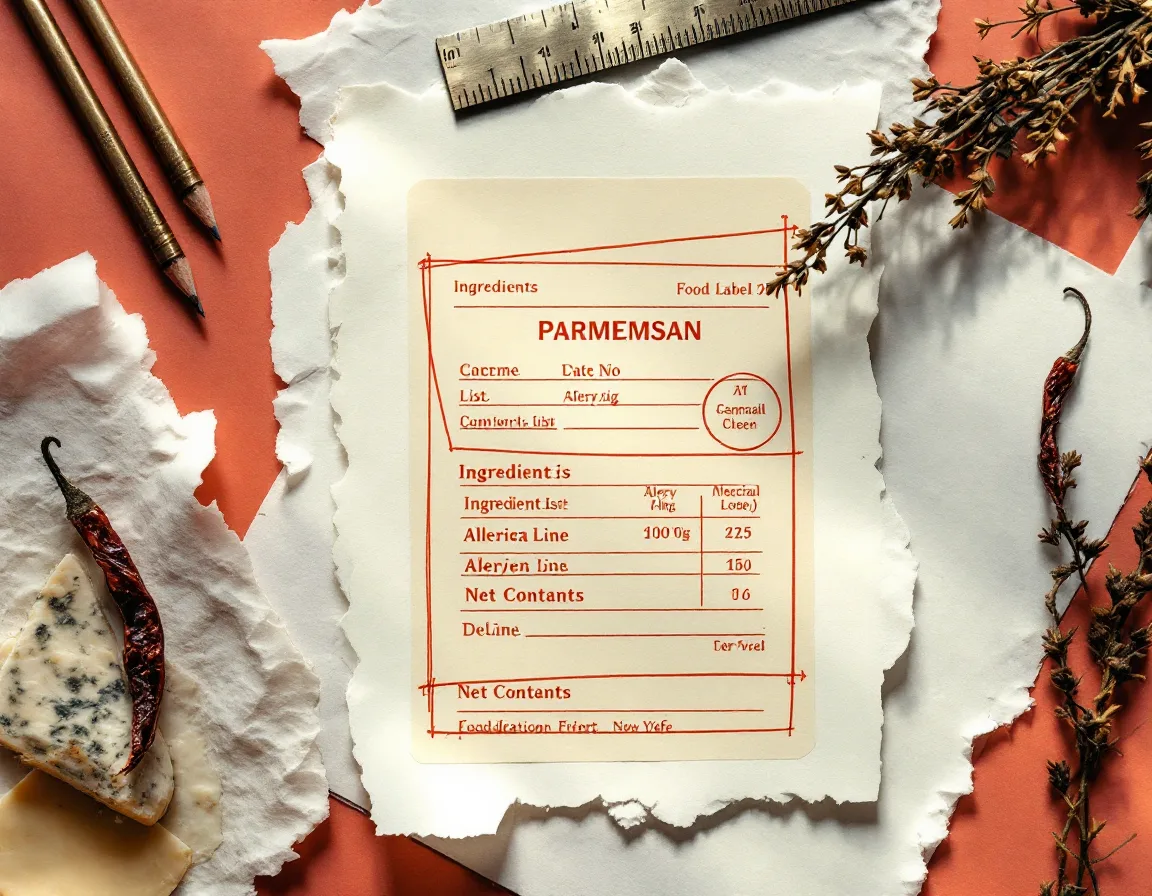
About 2,500 words / language / dayAllergen emphasis, metric net contents, ingredient order, origin statements, nutrition panel format: all read against the published rules of the market you're entering. We flag; your regulatory counsel signs.
FDA · CFIA · EU 1169/2011The translation is set into your own Illustrator or InDesign file. German and French run long, sometimes by a fifth or more, so we trim and re-break lines until the tin looks as if it was always that language.
Out: marked-up PDF · $58 / artboardFinal text, a clean glossary and the translation memory come home with you. The next SKU in the range starts with your words already chosen, and repeated text is 60% off.
Out: .docx · .xlsx · .tmxThere's no hourly clock running. Count the words, choose the pair, and the number is the number. Quotes land the same business day, and each row below opens a quote for that language.
Worked sumA 1,400-word menu into Italian: 1,400 × $0.18 = $252. A 220-word jam label into French falls under the minimum, so it's $102.
Quote my language pairPicture it leaving a New Jersey kitchen for a grocer in Montreal and a deli in Lyon. The sesame is still sesame. But each market keeps its own list of what must be declared, and Canada wants every mandatory word in English and French.
Same jar, three lists, one hungry reader at a time. That's the work.
The craft in miniature: the English on top, what the market actually needs underneath.
Small-batch, slow-cured.
Elaborado en pequeñas tandas y curado despacio.
Spanish wants a verb. “Small-batch” stops being an adjective and becomes how it was made.
Crisp, tangy pickles.
Knackig-säuerlich eingelegt.
German has a single word for the snap of a good pickle: knackig. We use it.
Hot honey.
唐辛子はちみつ・辛口
辛い (karai) is hot from a chili; 熱い (atsui) is hot from a stove. One character decides which jar you're selling.
We write better about food we've tasted. Calls are by appointment, and these are the things that make the first quote exact.
Language pair times word count, with a per-language minimum. Regulatory documents add $0.05 a word. You get a written quote the same business day, and that's the invoice.
We supply a signed statement of accuracy for importer paperwork. Sworn or certified translation for particular authorities is a separate process, and we'll tell you at the quote stage if your market needs it.
We check wording against published labelling rules and flag what looks off. We're linguists, not attorneys, so your regulatory consultant has the final say.
About 2,500 words per language per working day. Under 48 hours is a rush job at +35%.
Four times a year we send a one-page note on label-law changes that touch small producers. Ask, and we'll add you.
Add me to the noteA written quote the same business day, by language pair and word count, from $0.16 a word. Calls are by appointment, so pick the hour that suits your kitchen.
orders@elmanchovy.com